Mi color favorito es lo que me hace sentir mejor
RETRATOS CROMÁTICOS DE LOS MEJORES CREATIVOS DE LA EXPOSICIÓN CARABANCHEL DISEÑA EN EL MARCO DE MADRID DESIGN FESTIVAL
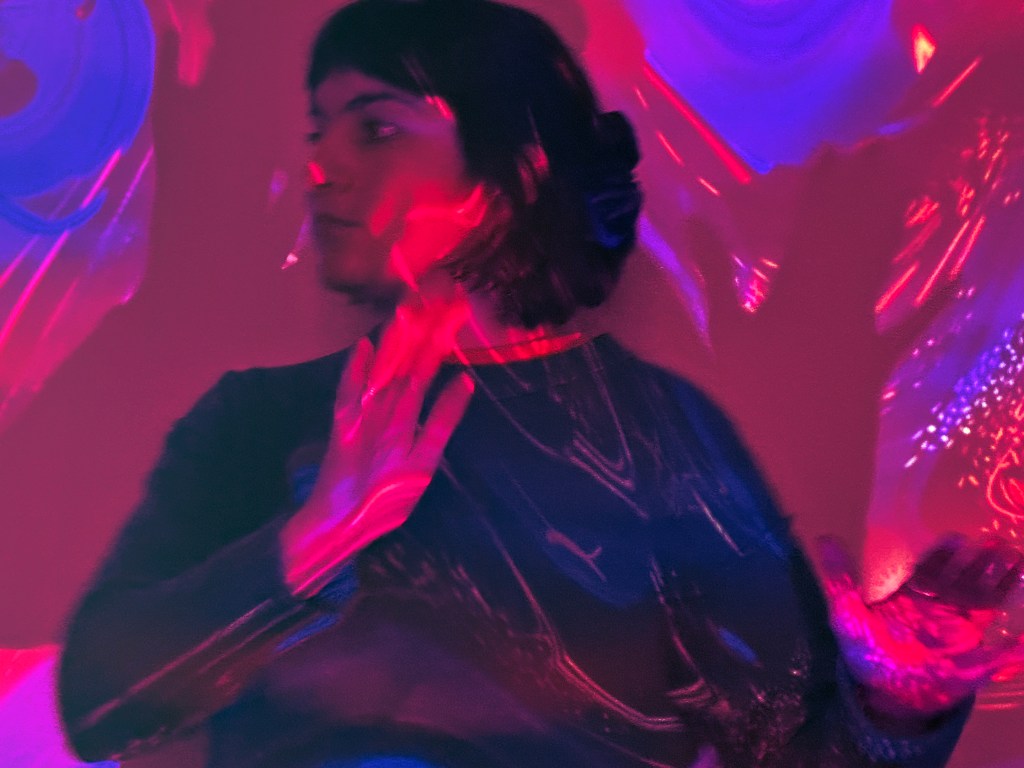
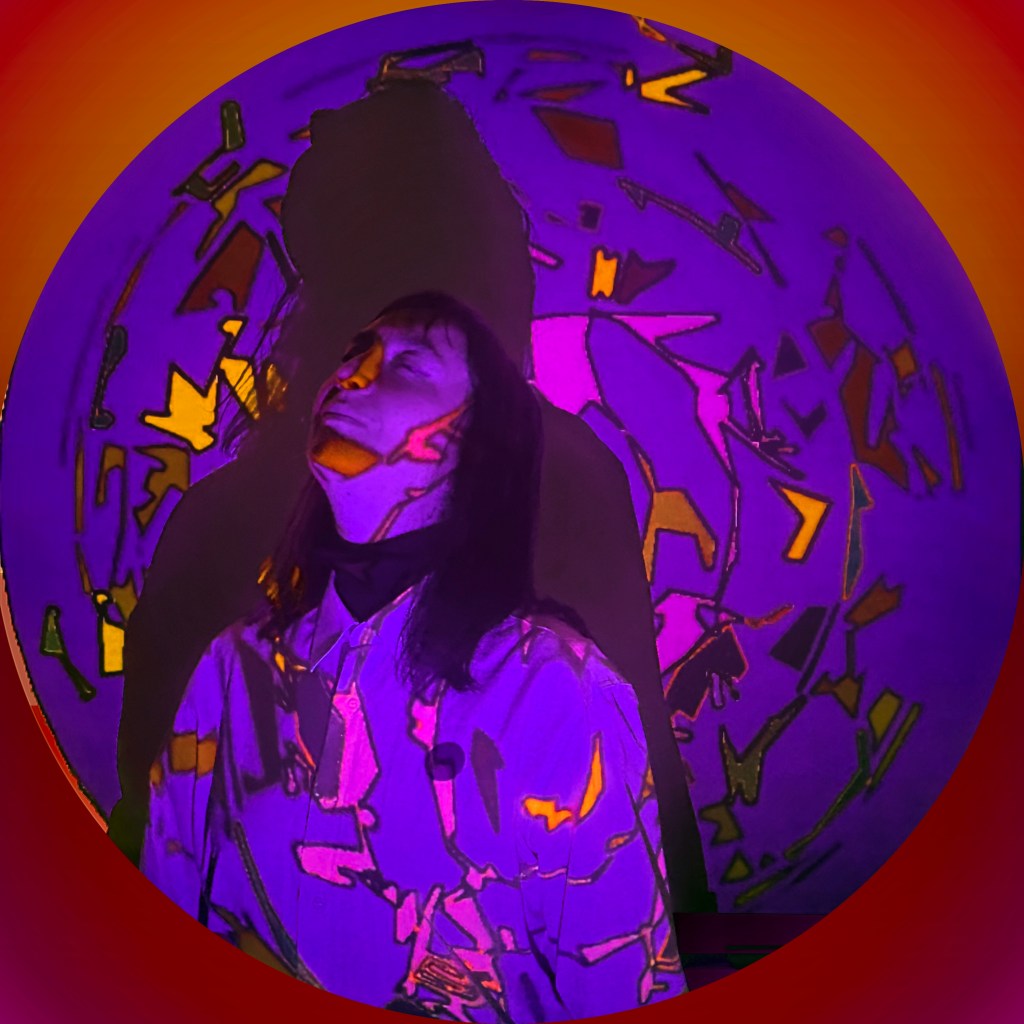
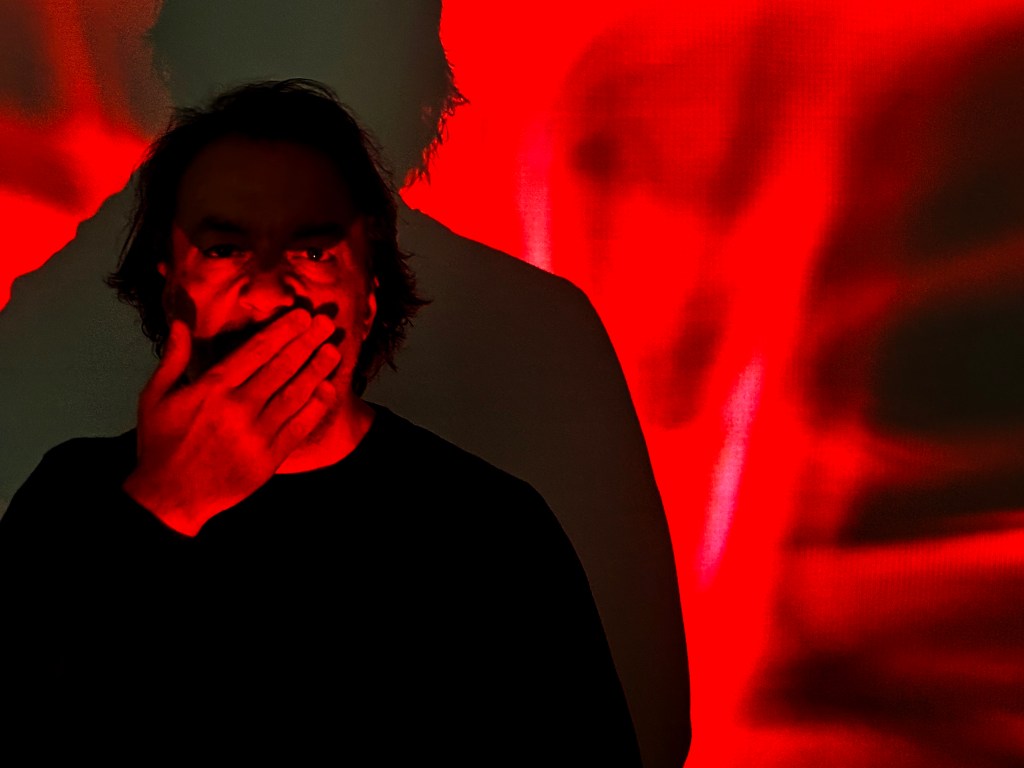
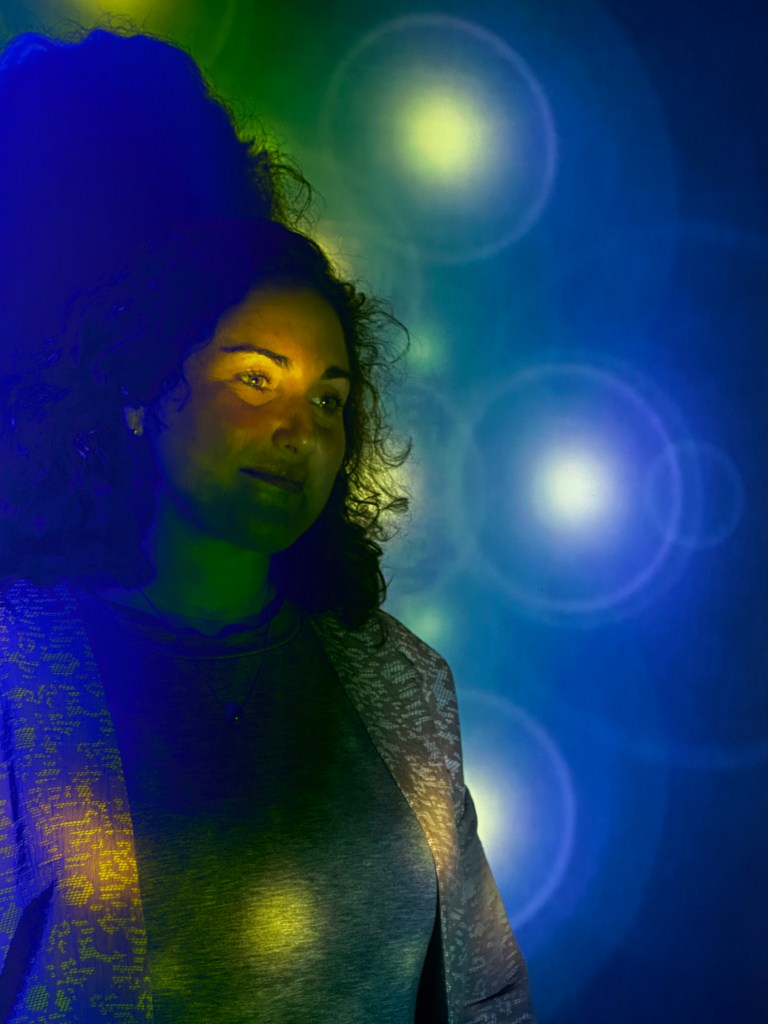
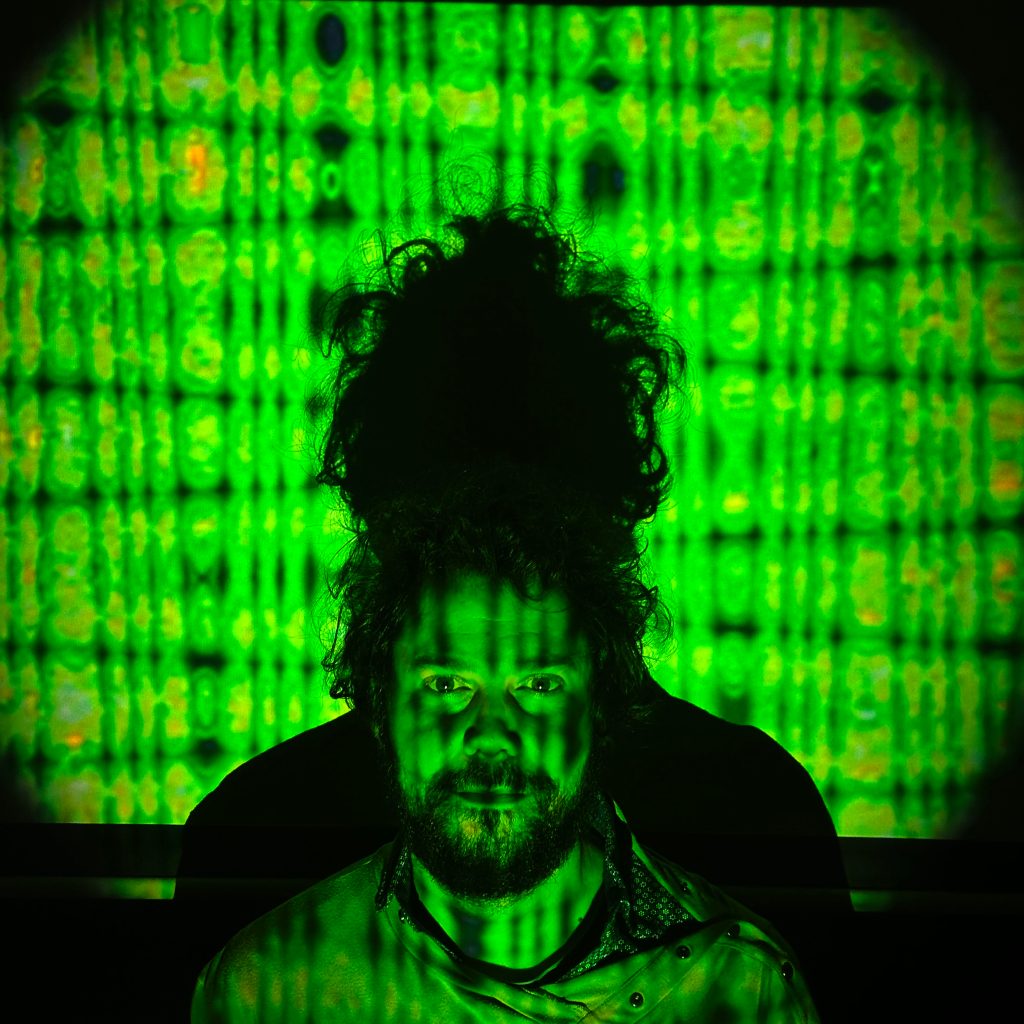
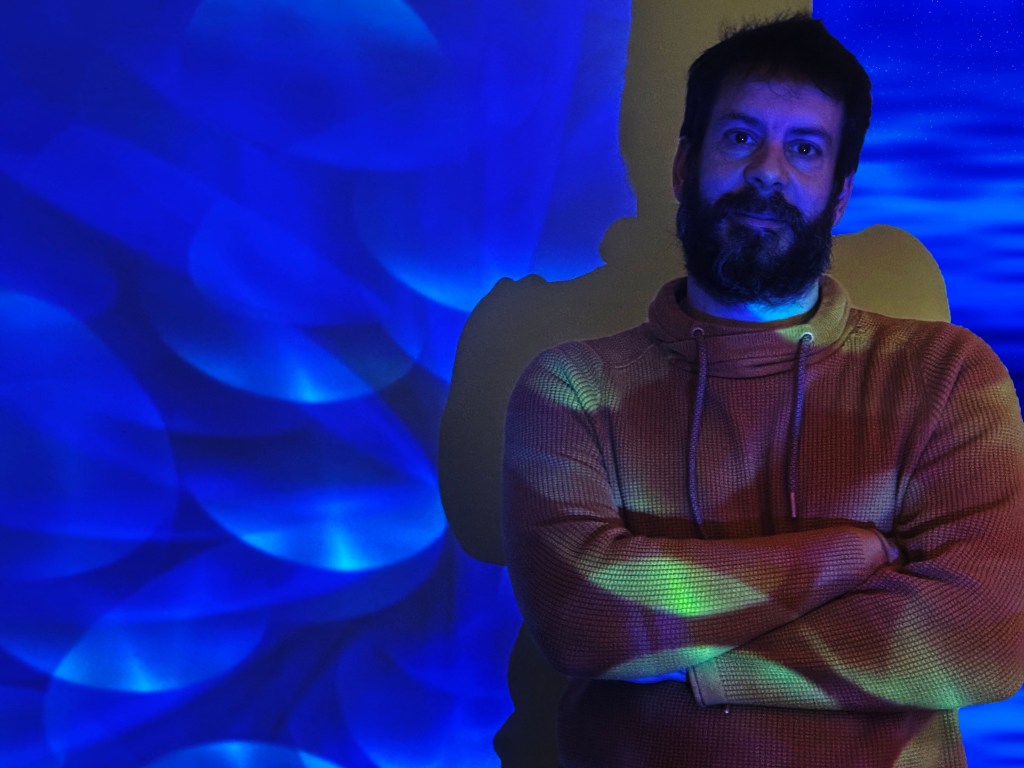
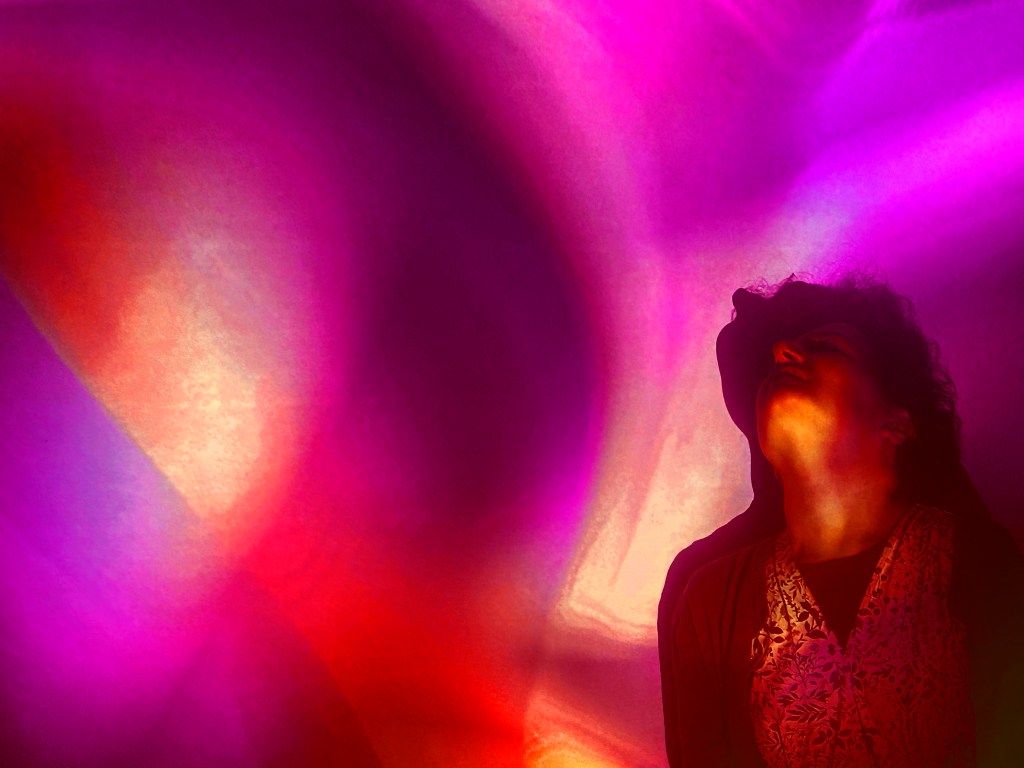
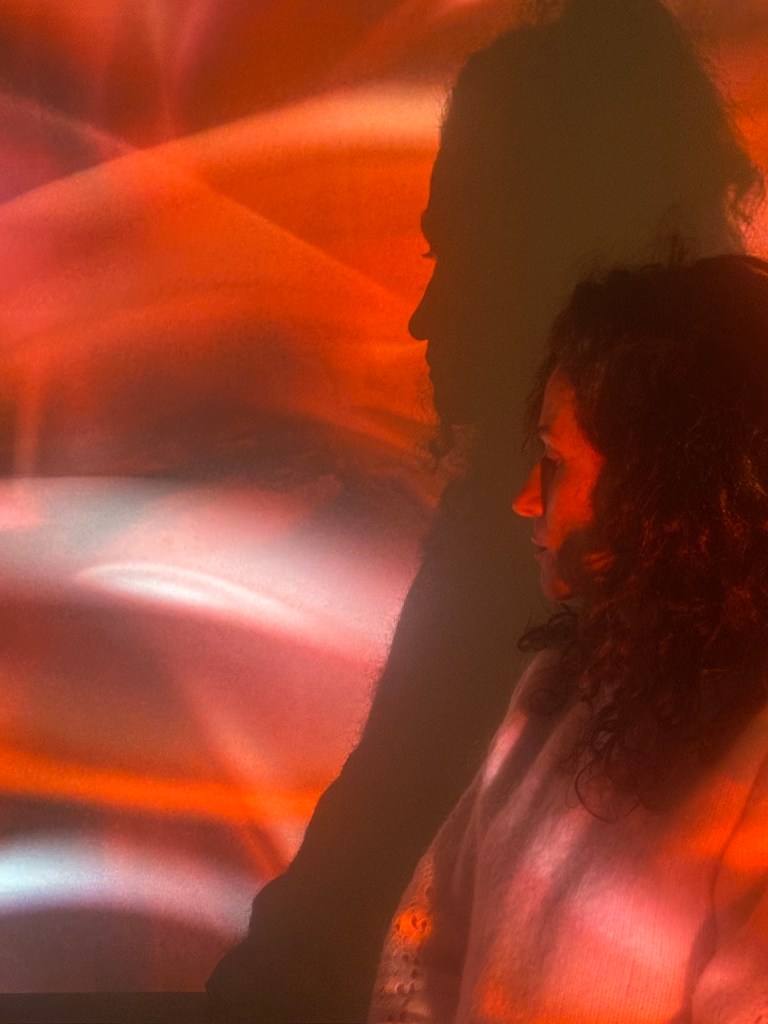
Explorando el color, la emoción y los paisajes íntimos del ser
El Concepto
Un retrato cromático comienza como un experimento. La primera pregunta al retratado es sencilla:
“¿Cuál es tu color favorito? ¿Qué color te hace feliz?”
Aunque la respuesta suele definir una gama, al proyectarla sobre el cuerpo muchas veces no produce la reacción esperada. Los rasgos se tensan y la persona no se siente cómoda. ¿Por qué? Porque el color no es realmente el que le corresponde.
Fase Uno: Descubrimiento
Esta fase es una búsqueda guiada por la empatía. Se proyectan distintos paisajes cromáticos en movimiento hasta que el retratado encuentra su paisaje cromático personalizado.
El cuerpo no miente: cuando se encuentra el color adecuado, la persona se mueve en armonía con él. No se requiere sensibilidad especial ni conocimiento profundo de los símbolos del color. El color nunca es neutro, y cada persona posee su propia gama cromática. La clave es ponerse a la escucha hasta descubrirla.
Sólo cuando la persona se entrega completamente, fundiéndose con los paisajes cromáticos, surge la epifanía. El retratado se deja llevar por la emoción y la potencia del color, y emerge de la experiencia transformado. Ya no hay dentro ni fuera; el yo y el tú se funden con el espacio cromático cambiante, un espejo vibrante y delicado de las metamorfosis de nuestra intimidad.
Fase Dos: Postproducción
En un proceso solitario y minucioso, se revisan y elaboran todas las tomas de la primera sesión. Esta etapa devuelve a la visibilidad aquello que permanecía oculto.
Luego, se invita al retratado a examinar el material y seleccionar su retrato final. La pregunta central:
“¿Cuál de estos retratos cromáticos te representa mejor? ¿En qué paisajes de color emerge algo auténtico de ti?”
Incluso las imágenes no seleccionadas tienen igual valor, formando parte integral del proceso creativo y del descubrimiento.
Fase Tres: Narrativa
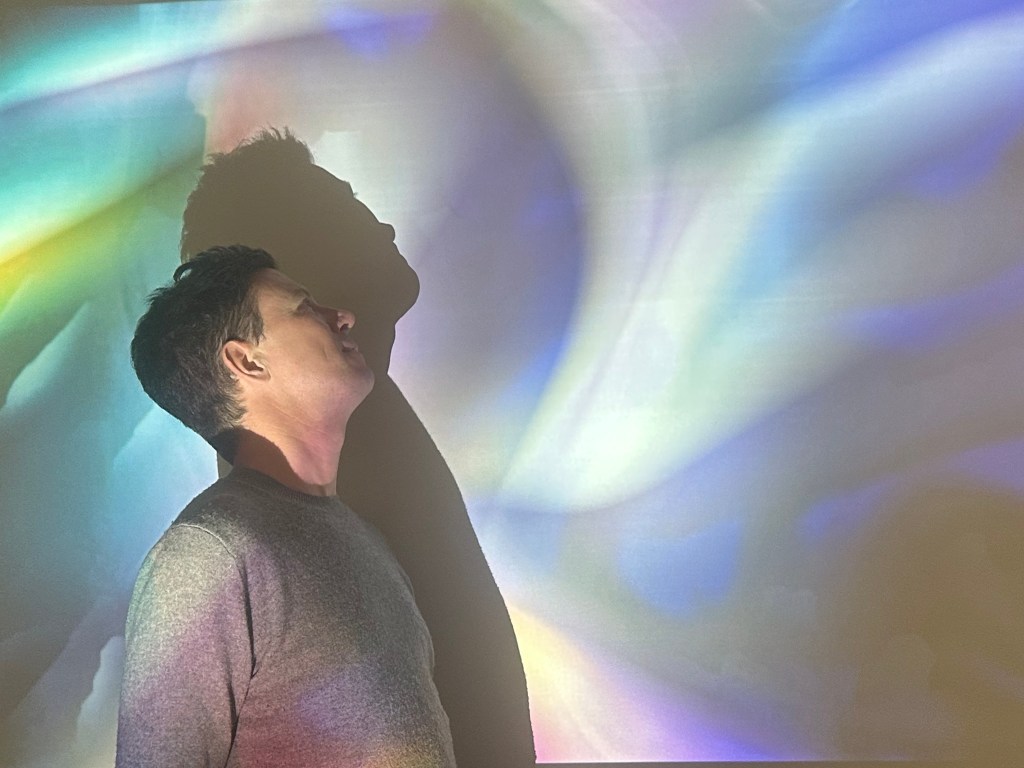
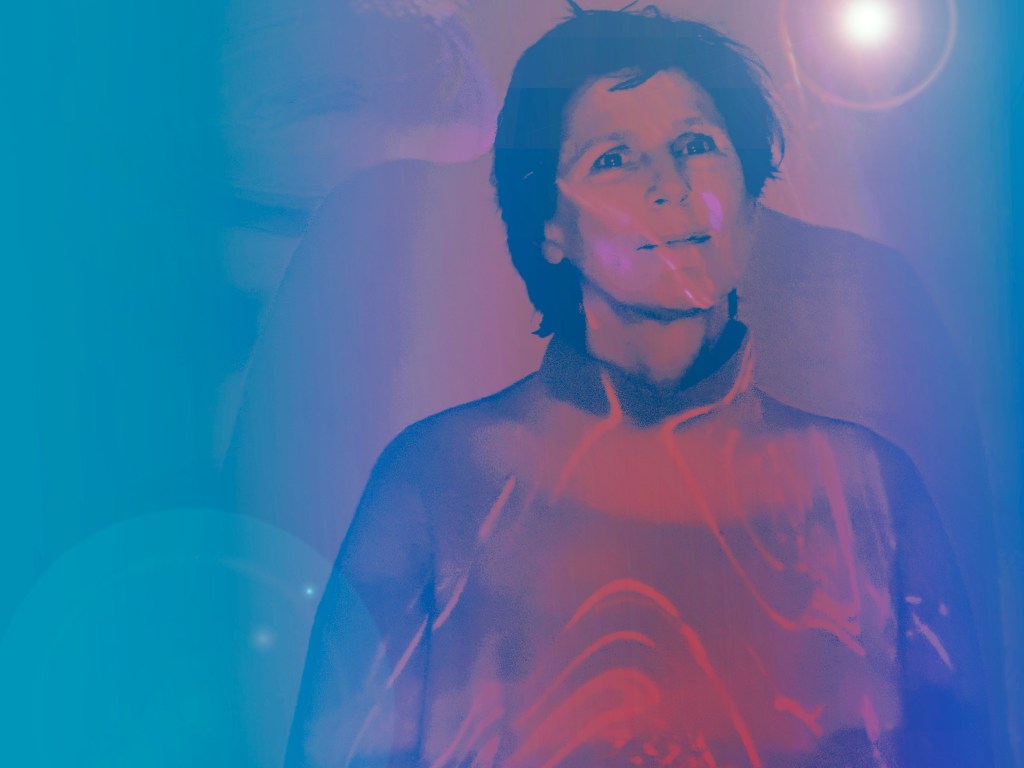
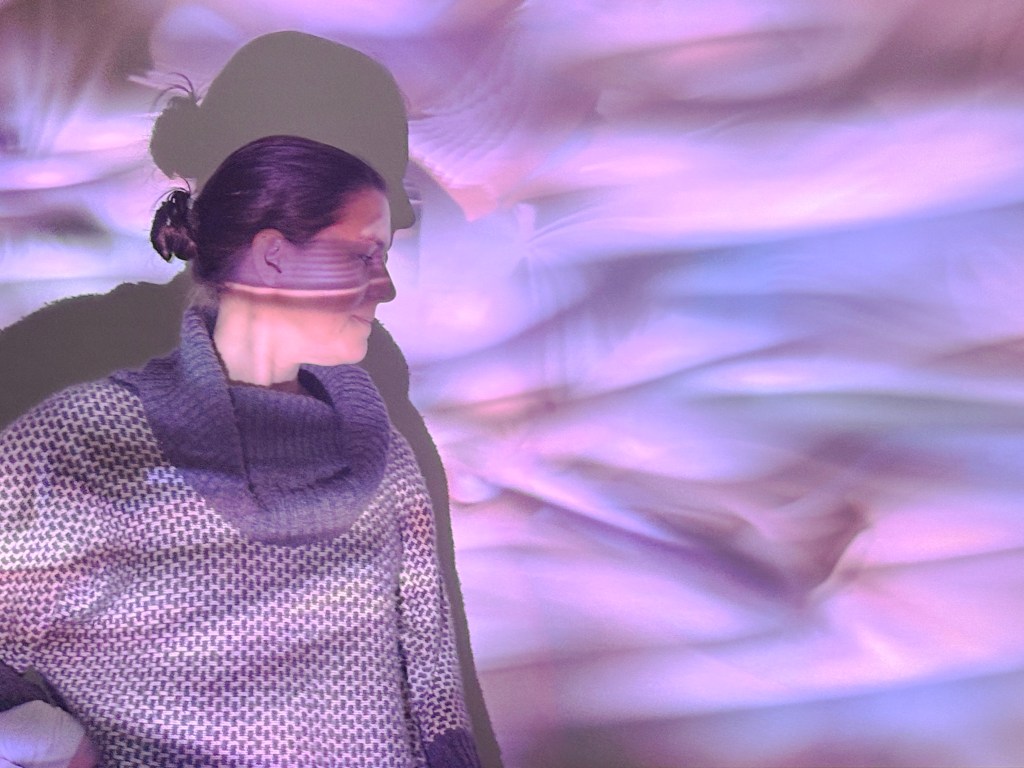
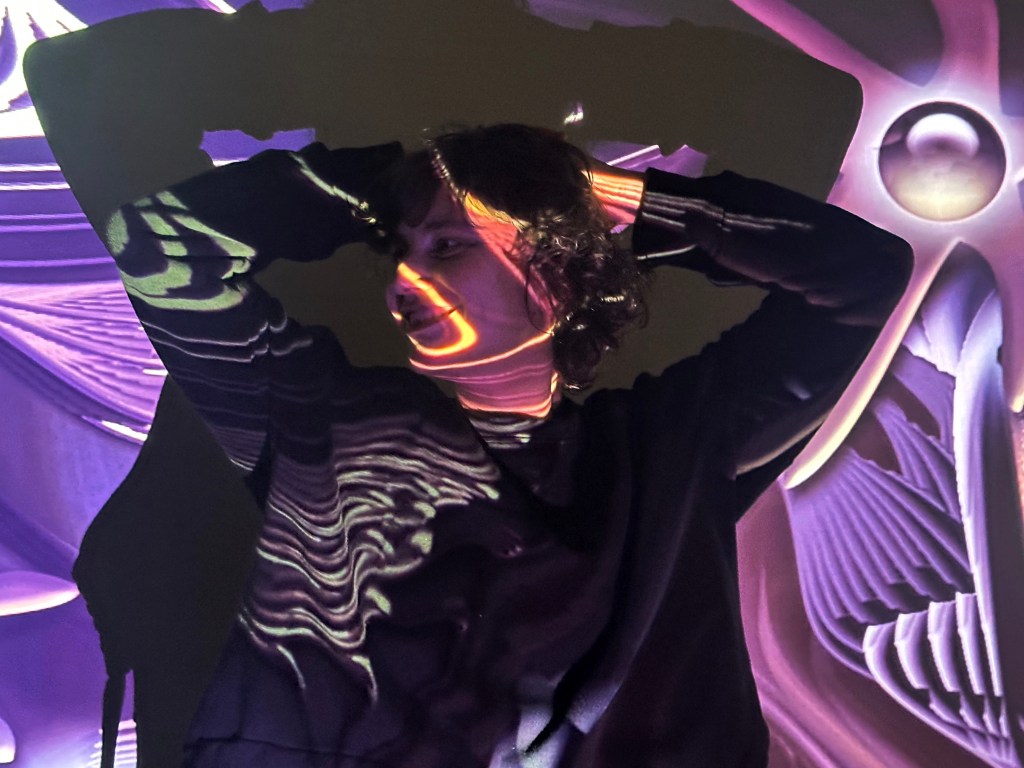
Cada retrato es único. El color es un lenguaje, portador de historias y emociones. Los retratos pueden adoptar distintos estilos, aquí algunos ejemplos:
- Retratos atmosféricos
- Retratos espejo
- Retratos alquímicos
- Retratos metamórficos
- ….
Todos se insertan en paisajes cromáticos que cuentan historias auténticas. Y en estas fugaces constelaciones cromáticas, todo vuelve a ser posible.
WHAT IS A CHROMATIC PORTRAIT?
The starting point of each chromatic portrait is an experiment.
The first question I ask the sitter is simple: what is your favourite colour? Which colour makes you happy? The answer is usually a defined palette; however, when projected onto the body, the response is often not as expected. Features tense, the person feels uncomfortable. Why? Because the colour is not truly the one that suits them.
Then begins a search based on empathy. By projecting different chromatic landscapes in motion, the sitter eventually discovers their personalised chromatic environment. The body does not lie: once the right colour is found, the person moves in harmony with it. It is not necessary for them to have a special sensitivity to colour, nor to know its deepest symbolic meanings. Colour is never neutral, and each individual possesses a unique chromatic range. The key is to listen carefully until it is discovered.
Only when the person engages fully, surrendering and merging with the chromatic landscapes, does the epiphany occur. Suddenly, with the colour that truly belongs to them, the sitter begins to smile. They surrender to the emotion and the power of colour, emerging from the experience transformed. There is no inside or outside; no distance exists between you and me: both merge with the shifting chromatic space, a vibrant and delicate mirror of the metamorphoses of our intimacy. When this happens, the first phase of the experiment is complete.
The second phase then begins: a kind of solitary post-production, where I carefully work through all the shots from the initial session. This sensitive process brings to visibility what was previously hidden. Once this stage is complete, I invite the sitter to review the material and make the final selection. The question is: which chromatic portrait best represents you? In which colour landscapes does something authentic emerge? It is time to choose. Yet, the work not selected is equally important, as it forms part of the creative process and discovery.
The third phase is narrative. Each portrait is unique. Colour is also a language, carrying compelling stories. Each portrait contains a different narrative: from the atmospheric portrait to the mirror portrait, from the alchemical portrait to the metamorphic portrait, through chromatic landscapes that tell authentic stories. And in these fleeting chromatic constellations, everything becomes possible once again.
CHROMATIC PORTRAITS
Exploring colour, emotion, and the intimate landscapes of the self
The Concept
A chromatic portrait begins as an experiment. The first question posed to the sitter is simple:
“What is your favourite colour? Which colour makes you happy?”
While the answer often defines a palette, projecting it onto the body does not always produce the expected response. Tension appears in the features; the person feels uneasy. Why? Because the colour is not truly theirs.
Phase One: Discovery
This phase is a search guided by empathy. Different chromatic landscapes in motion are projected until the sitter finds their personalised chromatic environment.
The body does not lie: when the right colour is discovered, the person moves with it naturally. No special sensitivity or knowledge of symbolic meanings is required. Colour is never neutral, and each individual possesses a unique chromatic range. The key is to listen until it is found.
Only when the sitter fully engages, surrendering and merging with the chromatic landscapes, does the epiphany occur. The portrait emerges as a transformative experience. Inside and outside dissolve; self and other merge with the shifting chromatic space, a vibrant and delicate mirror of intimate metamorphoses.
Phase Two: Post-Production
In a solitary, meticulous process, all images from the first session are refined. This stage brings to visibility what was previously hidden.
The sitter is then invited to review and select their final portrait. Questions arise:
“Which chromatic portrait represents you best? In which colour landscapes does your authentic self emerge?”
Even the images not chosen are equally important, forming part of the creative process and discovery.
Phase Three: Narrative
Each portrait is unique. Colour is a language, conveying stories and emotions. Portraits vary in style, some examples here:
- Atmospheric portraits
- Mirror portraits
- Alchemical portraits
- Metamorphic portraits
- ….
All are embedded in chromatic landscapes that tell authentic stories. Within these fleeting chromatic constellations, anything becomes possible.
 Le corps imaginé Claudia Bonollo